

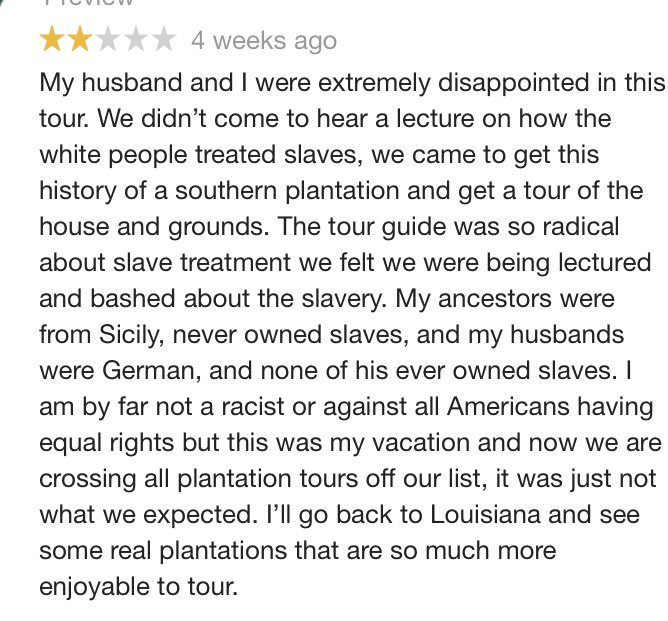
Dear Disgruntled White Plantation Visitors,
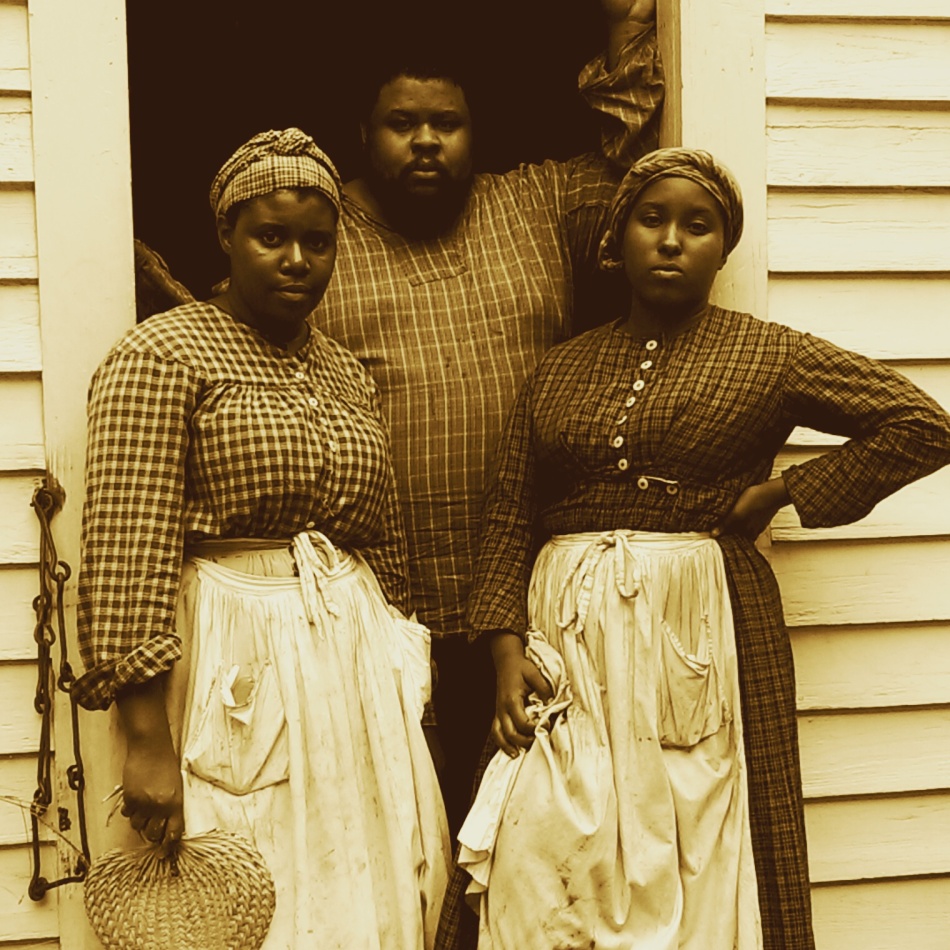
Hi! My name is Michael W. Twitty and I’m one of those interpreters who has watched you squirm or run away. I’m not a reenactor, because G-d forbid I reenact anything for the likes of you; but I am an interpreter, a modern person who is charged with educating you about the past. I take my job seriously because frankly you’re not the one I’m centering. I’m performing an act of devotion to my Ancestors. This is not about your comfort, it’s about honoring their story on it’s own terms in context.
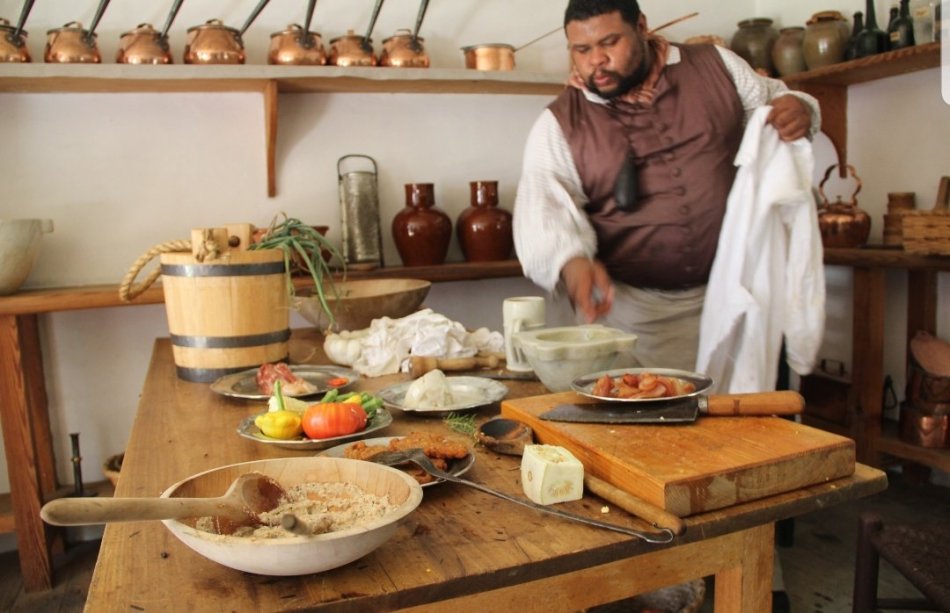
For over a decade I have been working towards my personal goal of being the first Black chef in 150 years to master the cooking traditions of my colonial and Antebellum ancestors. Five trips to six West African nations and more on the way, and having cooked in almost every former slaveholding state beneath the Mason-Dixon line, my work is constant, unrelenting mostly because I have to carve my way through a forest of stereotypes and misunderstandings to bring our heritage to life. I also just want to preserve the roots of our cooking before they’re gone.
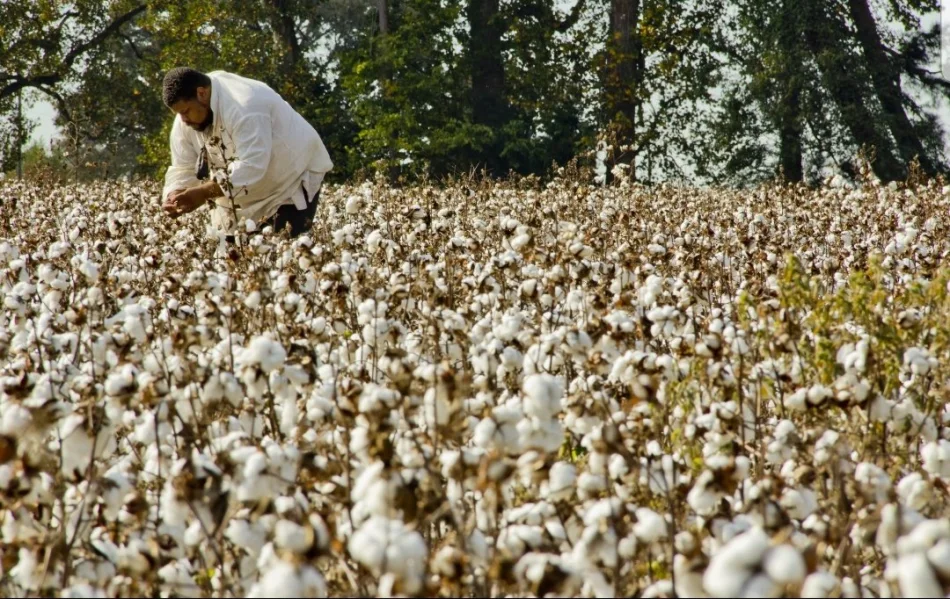
Because minds like yours created the “happy darky,” some people of color are ashamed of my work. Although I am none of the things they imagine me to be, I can understand why they are confused about what I (and many people like me) do. Once upon a time folks like yourselves wanted to have a national Mammy monument on the Mall, to remind us about the “proper” role we were meant to occupy and to praise our assumed loyalty. No, our forebears are the real greatest generation. With malice towards none they constantly took their strike at freedom and yet their heroism was obscured because you guessed it, white supremacy, had to have the final say.
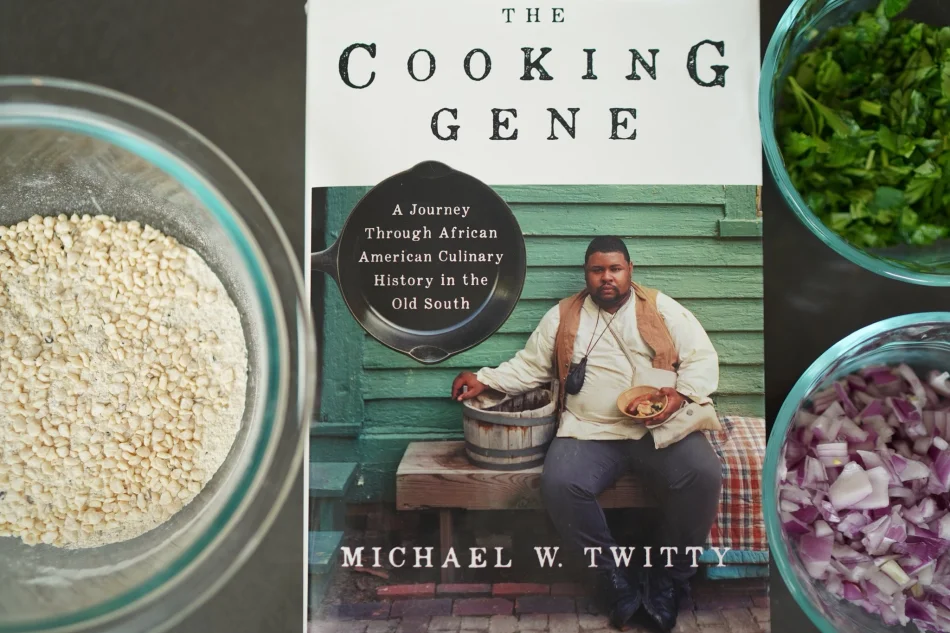
Southern food is my vehicle for interpretation because it is not apolitical. It is also drenched in all the dreadful funkiness of the history it was created in. It’s not my job to comfort you. It’s not my job to assuage any guilt you may feel. That’s really none of my business. My job is to show you that my Ancestors, (and some of yours quiet as its kept…go get your DNA done…like right now…talking to you Louisiana and South Carolina…) resisted enslavement by maintaining links to what scholar Charles D. Joyner famously called a “culinary grammar” that contained whole narratives that reached into spirituality, health practices, linguistics, agricultural wisdom and environmental practices that constituted in the words of late historian William D. Piersen, “a resistance “too civilized to notice.” Want to read about it? Since you already know I’m a literate runaway from the American educational system, I wrote an award winning book called The Cooking Gene. Like Eddie Murphy said, “but buy my record first…”
(BTW it’s not a cookbook its the story of my family told through culinary history from Africa to America and from enslavement to freedom.)
What’s most telling about the above quote and others is how blithely unaware you are about the real American struggle for freedom. When you’re in one of those hot ass kitchens watching me melt you are secretly telling yourself you’re glad you’re not me–or them. And yes, I’m about to go Designing Women/Julia Sugarbaker (in that pink hoop skirt) on you…so you might want to run now.
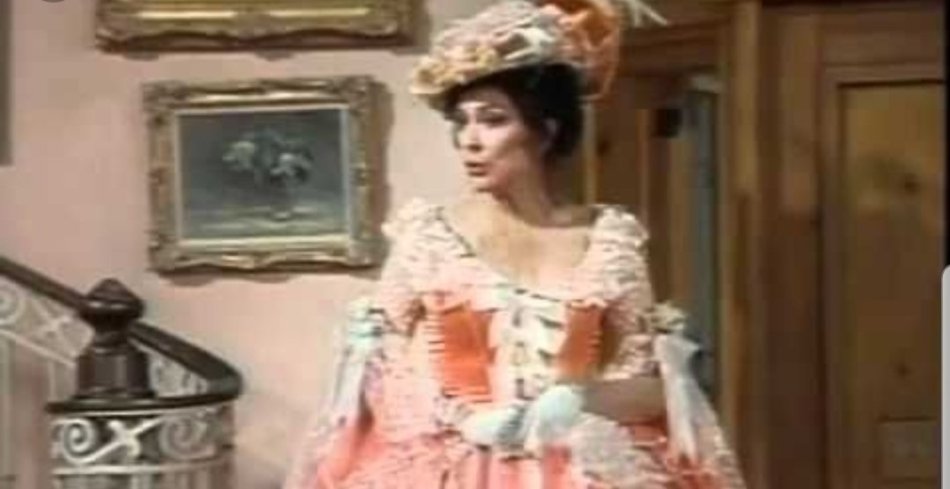
Thanks to a viral tweet the whole country sees what me and my colleagues have seen for quite some time. We get it. You want romance, Moonlight and Magnolias, big Greek Revival columns, prancing belles in crinoline, perhaps a distinguished hoary headed white dude with a Van Dyke beard in a white suit with a black bow tie that looks like he’s about to bring you some hot and fresh chicken some faithful Mammy sculpture magically brought to life has prepared for you out back.
The Old South may be your American Downton Abbey but it is our American Horror Story, even under the best circumstances it represents the extraction of labor, talent and life we can never get back. When I do this work, it drains me, but I do it because I want my Ancestors to know not only are they not forgotten but I am here to testify that I am their wildest dreams manifest.
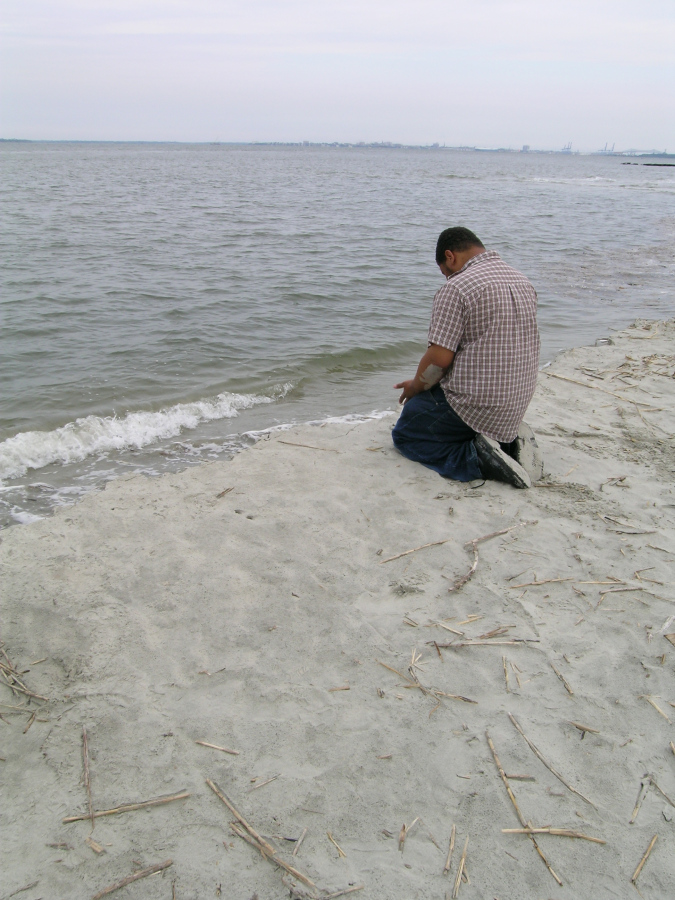
While your gall and nerve anonymously preserved for eternity online is cute, I thought you might want to be further disturbed not by the actions of the dead, but by those of the living:
Like remember when you took the form of the docent in Virginia who told me, “Look, you don’t have to go on about the history, just tell them you’re the cook and be done with it…”
Or remember when you waltzed in with a MAGA hat and told me “I know what it’s like to be persecuted like a slave. I’m an evangelical Christian in America. Its scary!” (More power to you for your faith, but that analogy? Or skewed perception? Or saying that nonsense to my face with the assumed confidence that I wouldn’t respond?)
My personal favorite was when I spilled some of the contents of a heavy pot of water as the light was dying and you all laughed and one of you said…and I could hear you…”This boy doesn’t know what he’s doing.”
“Boy.”
I was exhausted. I had been cooking over an open hearth for 7 hours. One enslaved cook in Martinique was thrown alive into an oven for burning a cake. How do we know? His mistress calmly showed his charred remains to her guest after the meal. Spilling or burning food could have meant my ass.
How about that time you asked me if I lived in that kitchen with the dirt floor. Or when you said I was “well fed” and had “nothing to complain about.” “This isnt sooo bad. White poor people had it just as bad if not worse.” I do so love it when folks like you ask me “What are you making me for dinner?”
In South Carolina there was that time four of you walked in grinning and salivating as you often do, and were all ready to be regaled of the good old days until a German tourist scratched your record. He said, “How do you feel as a Black American, dressing like your Ancestors and cooking and working this way?”
You started to frown.
I said, “Slavery was colloquial and discretionary, one story doesn’t tell all. But its important to remember that our Ancestors survived this. Survived slavery.”
He pushed me further. You gestured towards the door.
“How do people feel about slavery?”
My retort was fast. “How do you feel about the Shoah? How do you feel about the Holocaust?”
The German said, “The Holocaust was a terrible thing and never should have happened. We were children when Germany was coming out of the ashes. But it is a shame upon our nation.”
As the four of you turned to leave, I got in a good one: “That’s a phrase you will almost never hear some white Southerners say. “Slavery was a terrible thing and never should have happened.”
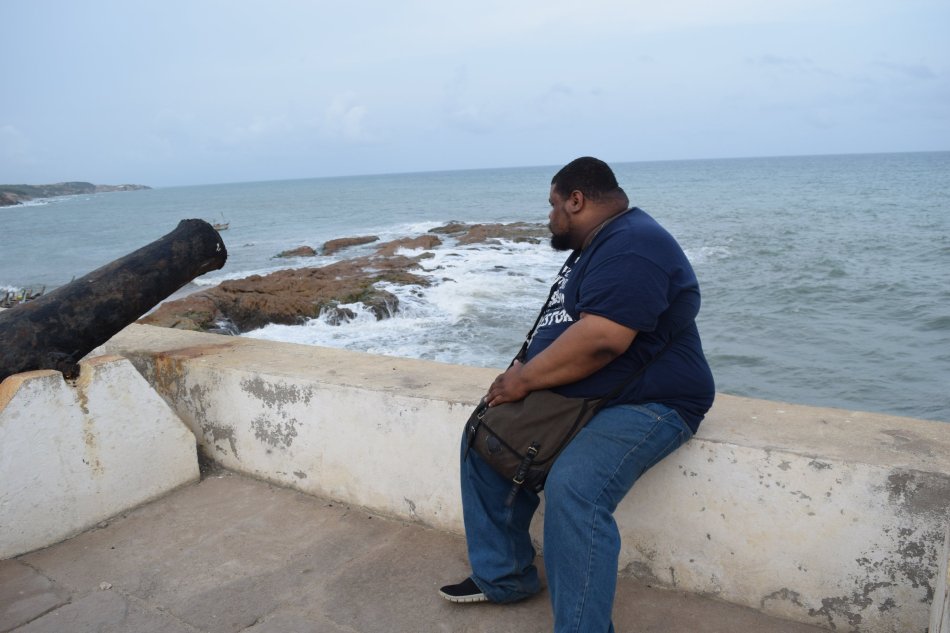
But…the South is not to be indicted on it’s own. Without Northern slave trade captains, merchants, mill owners, and even universities that had stock in the enslaved, the Southern economy could not have flourished. (And please miss me with “you sold your own people..” the corporate identity of Blackness was not a feature when African, Arab and European elites and merchants conspired during the time of the slave trades…you cant learn everything from the crossword section of StormFront…)
Furthermore your immigrant ancestors would never have had a land of opportunity to come to. Or a people to walk on as your folks climbed towards whiteness. The most valuable “commodity” in Antebellum America during the years of exponential growth was not wheat, corn, tobacco, rice or even cotton. The most important commodity of the mid 19th century in America, was the Black child, and behind the children, the body of the Black woman.
Dont get me wrong. This isnt about being anti-white or ignoring other people’s traumas. But if you do think I don’t like you because you identify as white that’s not it. I suspect what you might be doing—identifying with heathy slices of weaponized racial power, privilege, attainment and achievement obtained in a hierarchical exploitative American dream between two pieces of unexamined whiteness, I guess the plantation isn’t the ideal place for you to escape.

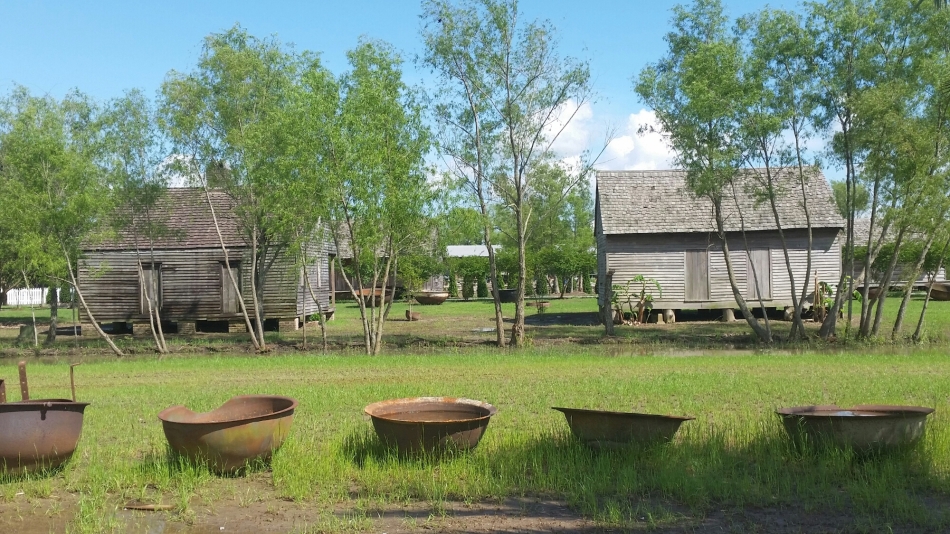
Facing my/our past has been my life’s journey. It’s also been at times devastating and painful. But reflection in no way equals one second in the lives of the enslaved women and men whose blood flows in my veins. I had the privilege of rediscovering my roots on a North Carolina plantation at a dinner we prepared for North Carolinisns of all backgrounds. Knowing that the enslaved people who once occupied those cabins could never have dreamed of that rainbow of people sitting together as equals in prayer, food and fellowship while my Asante and Mende roots were being uncovered after centuries of obfuscation was for me a holy moment.
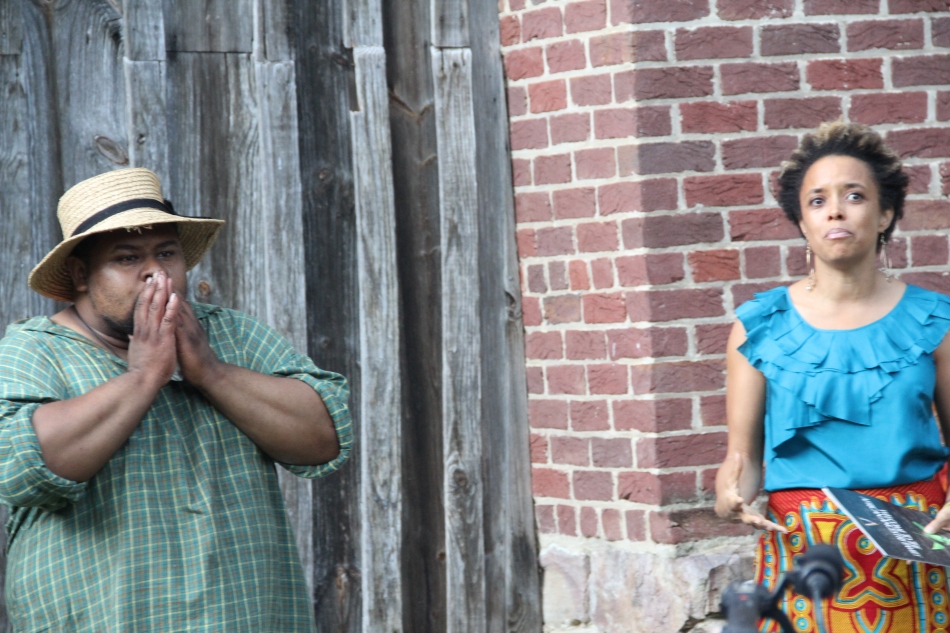
You miss out on magic like that when you shut down your soul. Going to what few plantations remain, your job is to go with respect and homage and light. You know, like I felt at the Tenement Museum and learned about the first American experience of those who passed through Ellis Island. Your job is to be thankful and grateful. Your job is to not just hear but listen. Your job is to know that Black lives mattered then just as they do now. Your job is to face the reality that hardships and hurt have been passed down from the American Downton Abbey, the American plantation.

Rape happened there..to the point where almost every African American with long roots here bears that evidence in their DNA. Theft of our culture. Forced assimilation. The breaking up of families…like all of us. Of course there was economic and legal exploitation and oppression, the effects of which have never been extricated from the American story.

But because enslavement was so damn fuzzy…we forget that those maudlin moments of blurred lines passed down by sentimental whites were purchased with pain. I tell my audiences that enslavement wasn’t always whips and chains; but it was the existential terror that at any moment 3/5ths could give way to its remainder, and unfortunately often did.
Guilt is not where to start. If you go back start with humility. Have some shame that NONE of us are truly taught this. Be like the working class white lady whose family I met in Louisiana who brought her young kids because she “wanted them to know the whole story, the story of American history is Black history.” Too bad she ain’t going viral. Wherever you are my cousin, I salute you.
Right now we need people to exercise their compassion muscle over their dissatisfaction or disappointment. Right now we need people to see the parallels. Right now we need people to remember the insidious ways history repeats itself. Right now we need to be better humans to each other. Right now we need people to remember the righteous who sacrificed so we could tweet and leave awful online reviews.
Y’all come back now y’here?
 Afroculinaria
I admire your work, loved your book and grew up in Colonial Williamsburg (in the early sixties), so I deeply appreciate the meticulously researched and spiritually guided truthtelling. We lived in Portsmouth, NH and hope you’ll consider someday visiting http://blackheritagetrailnh.org/. The organization, which started at Valerie Cunningham’s kitchen table over 30 years ago, just acquired a building and is expanding programming–this town is committed to both historical preservation and food and would benefit from your presence. Thank you for your commitment, grace, humor and knowledge.
LikeLike
I would love to visit!
LikeLike
Powerful words! Thank you for writing this.
LikeLike
Powerful. As a child my parents took me on several plantation tours, and I might have grown up with a totally romanticized view of the south had it not been for my voracious reading, especially authors like Toni Morrison. Keep fighting the good fight!
LikeLiked by 1 person
I am deeply touched by your eloquent truth-telling. I hope to meet you in person one day and experience your presentation. Meanwhile, I will purchase your book.
LikeLike
Thank you Julie
LikeLike
Damn! This will go viral. Bravo, Michael! xo
LikeLiked by 1 person
Your work has inspired me to look into historical interpretion here in St Louis! Reading your book was a bit like reading my own history – I too grew up in DC and have roots in Prince Edward County. I, too, have been navigating my DNA findings and my genealogy to try to get back to Africa. So far, I’ve managed to get back to the late 1700s on one line and the early 1800s on another. I’ve moved over to researching my family’s slave owners in the hopes of finding some clues to the first folks of my family to be sold in America. Thank you so much for your work. ❤️❤️❤️✊🏾✊🏾✊🏾
LikeLiked by 2 people
You’re welcome!
LikeLike
Thank you, thank you, thank you, Mr. Twitty. Every sentence was perfect, but this is one (of so many) that stood out for me: “Or saying that nonsense to my face with the assumed confidence that I wouldn’t respond?“
LikeLiked by 4 people
Thank you 🙂
LikeLike
Thank you for your persistence in teaching us.
LikeLiked by 1 person
Thank you Mr. Thirty for taking the time to write this. Your thoughts in this writing can now be shared by so many who have not met you but are trying to learn the depths of humility we all need and the shame we should all feel even though “we weren’t there and had no part in any of that slavery business”. Well then, we all must accept the truth. Show we are moved to tears by the horror. We must share the stories. We must all resist being in the company of persons who say one thing and act another way. We must be trustworthy and respectful of others-ALL others. We must act with kindness to all until we really are kind to all. It’s a long ways from talking to acting kind to others.
Keep doing what you’re doing, please.
LikeLike
Thank you very much for this written work of art.
I will purchase your book
asap, then plan a plantation visit in Virginia or South Carolina or,or,.
LikeLike
Excellent in every respect. Filled with great insight. A must read for anybody who wishes to understand our country.
LikeLike
Your eloquent writing is deeply moving and powerful. The accumulation of personal comments from different places but revealing one combining hurtful voice resonates! The Ancestors hear and see you, keep doing this important work.
LikeLike
Keep on keepin’ on, Mr.Twitty!
LikeLike
Keep on keepin’ on,Mr. Twitty!
LikeLike
Very educational and enlightening. Thank you
LikeLike
Bravo!!!! This is just the best. There is a plantation tour near Natchitoches—Oak Alley I think—where, maybe 10 years ago the interpretive plan was moving in your direction. They weren’t quite there; some difficulty in explaining the space under the house, open to the weather, where enslaved house staff slept and “lived”. Visitors could see it, enter it, but there was no text or verbal information about, just silence, not discussed.
LikeLike
Thank you for your eloquent words. They touched my soul and will help continue to push me forward in my quest for knowledge.
LikeLiked by 1 person
This is excellent and articulate. I remember so clearly having the realization of what these plantations really are. I was thinking about people who choose to get married on the grounds… I get it is because it is naturally beautiful land. But I remember thinking “wow, that’s is pretty much like getting married at Auschwitz.” My mindset changed a lot that day.
LikeLiked by 1 person
Thank you so much for your commitment and your passion. Most Americans are uneducated about Black history. And yes, it is American history. And yes, please Do “…go on about the history.”
LikeLike
This was all incredible — from your descriptions of interpreting what it is like to work in a hot kitchen over a wood fire for seven hours, to your discoveries of the history of your own family — but you won my soul with:
“The Old South may be your American Downton Abbey but it is our American Horror Story.” I’ve never seen it stated better. This was glorious. Thank you for everything you do and every mind and heart you might lighten or enlighten.
LikeLiked by 2 people
What Suzanne said. ““The Old South may be your American Downton Abbey but it is our American Horror Story.” I’ve never seen it stated better.” THANK YOU for this, and for all you do.
LikeLiked by 2 people
So moving.
LikeLiked by 1 person
Well said sir. Too often people only want to see and hear the pretty stuff. Keep educating the masses.
LikeLike
Wow, seems like some people only want to hear the Disney version of Life in the Grand Old South. Thanks for saying what you say, and doing what you do. We all need to hear that kind of Truth.
LikeLiked by 1 person
Omg, this article felt like it was poured out of the soul of our ancestors. Thank you for so eloquently explaining things. Loved your book
LikeLiked by 2 people
Truth. Thank you for baring your soul.
LikeLiked by 1 person
You are the future I’ve been dreaming of. Thank you for being so true.
LikeLiked by 1 person
When I read that comment online, I thought of you and the important work you do to educate people. Thank you for persevering in the face of adversity. Thank you for your thoughtful, eloquent response. Most importantly, thank you for just being you, Michael.
LikeLiked by 1 person
Todah rabah Michael; you are a mensch!!!!!!!!!
LikeLiked by 1 person
So good. May their memory be a blessing to us all. יהי זכרם ברכה
LikeLiked by 1 person
Thank you, Mr. Twitty, both for this amazing post and for your commitment to making your Ancestors’ voices be heard, even when people don’t want to listen.
I’m a librarian with a history major background, and I feel that what you show and tell people as a reenactor is a lesson that will stay with them a lot longer than any unit in high school history. I’m glad to know there’s a dedicated educator like you out there to debunk the romantic myth that has done our country so much lasting harm. I’m SO glad you didn’t listen to that wrong-headed docent.
(Oh, and I’m happy to report that your book is already in my library’s collection. I checked. 😉 )
LikeLiked by 1 person
Dear Mr. Twitty,
I am a historian of the South, and a person born and reared in Alabama and I want to say – in emphatic capitalized letters. SLAVERY WAS A HORRIBLE MISTAKE AND ALL INVOLVED WERE WRONG. I have studied most aspects of racial enslavement, and written my doctoral dissertation on one particular community in Alabama, called Faunsdale. The enslaved labor force, field and house, were initially from Somerset Plantation in Edenton, NC until one of the daughters married and took her “inheritance” to Alabama in 1843. I love your culinary research and would like to visit one of the sites where you teach the truth of our joined past. Respectfully, Carol Lemley Montgomery.
LikeLiked by 1 person
Discovered this article (and you) just now via a friend’s FB post. I am comforted that there are wise and creative people like you who can do this work. I hope you inspire others as well, and may you never find it necessary to abandon this effort in order to pay your bills.
And now, I’m going to go buy your book.
LikeLiked by 2 people
Thank you!
LikeLike
Wow!!! I am moved to tears. I embrace the knowledge and truth you share. You are an amazing writer. I remember the first time I visited the Taos Pueblo in New Mexico. I felt uncomfortable as a Native America gave a truthful account of the history of the area. I seek such experiences.
LikeLike
Thank you for articulating the correct response to this.
LikeLike
Preach, brother! I was hit by the American Downton Abbey sentence too but also “a resistance too civilized to notice.” I wish I could write with such eloquence. I wish I could speak truth to power so courageously. Thank you.
LikeLike
Mr. Twitty, I would like to have you contribute an article for the next issue of Race Healer Magazine. Here is the link – https://www.racehealertv.com/race-healer-magazine My email is info@MilagrosPhillips.com Email me there and I will send you information. Thank you, Milagros Phillips
LikeLiked by 1 person
Please email me at thecookinggene@gmail.com
LikeLike
The real shame here is that the people that need to read/hear this would never willingly do so. This was one of the best things I have read on the subject of slavery. While my ancestry does not include slave holders I still find the practice reprehensible. Haven grown up in the greater Chicago areaI know that white supremacy was not just the providence of the deep south or even just the time before the Civil War. All you would have ad to do was look at Cabrini Green in Chicago to see that it was alive and well not that far back , even in the great white north.
LikeLiked by 1 person
I want to say it too. As a Virginian. Slavery is a terrible, awful, horrible part of our history. I’m ashamed of my ancestors. It never should have happened. I will do my best in my life and community to support and celebrate the people of color all around me. I am honored to know your story.
LikeLike
Thank you my brother. Susan
LikeLike
Thank you for this, and for your book.
LikeLike
Thank you, sir. I am humbled and more educated now than I used to be. In addition, I’m motivated to continue to learn.
LikeLike
Thank you. Please keep doing what you’re doing. Know that your message does get out. Know that you have succeeded in opening some eyes. And know that some of us are profoundly grateful for your work.
LikeLiked by 1 person
Thank you for this very well-written and eye-opening piece.
LikeLike
Thank you. I lived in Savannah, GA for 10 years, history at my doorstep…with no real interest in learning about the past. I was told, while growing up, that I came from turn of the century German and Polish immigrants. I had little interest in American history…it wasn’t “my” history….well, think again. Recently, I started looking into my genealogy. I found that many of my branches have been in America since 1680 +/- and to my horror, one ancestor in particular, Pierre Angevine, owned many slaves and raped them…in the British colony of New York!!, not the deep south. So, thank you for the stories you share…my eyes are opened. I’m learning American history from a different viewpoint now.
LikeLike
Thank you for saying your ancestor raped his slaves and not that he had “slave mistresses.”
LikeLike
Love your response to the tourist with the chip on her shoulder. It is interesting to note how some ppl are offended by the truth of the reality of what actually took place during slavery.. it’s just documented facts which in most cases will rock you to your core, if your human. There is no way to romanticize the atrocities that were committed to Africans/Moors and in many cases still being committed…N0 matter how we identify ourselves today because of the relisience most of us still stand strong and unfortunately some are still fighting generational remnants as a result of the institution of slavery since for the most part we were not playing on a level field. Thank you for your work, continued contributions and research for your family/the family of others.
LikeLike
Several years ago I took a tour in Charlestown of the beautiful old houses. The sweet lady who lead one of the tours showed us a picture and said it showed the little “pickannies” playing in the yard. I turned around and walked out because I knew if I stayed I’d say something rude. The continuation of this blissful, romantic idea of the happy slave sickens me.
LikeLike
I appreciate you
LikeLike
Thank you. From a genealogist whose small African dna percentage keeps her searching for that part of her roots. Know you are appreciated and respected for your work.
LikeLike
You are our family
LikeLike
Thank you Michael. Enslavement was a terrible thing and should never have happened. Sitting with the discomfort and pain my ancestors caused. As I study old ways, I’m also feeling the loss of connection to our old traditions – yours and mine. I’m so grateful you’re working to keep some of them alive.
LikeLike
I am honored to be able to read your eloquent words. Keep doing what you’re doing, keep enlightening the world. If America is ever to heal and move forward it needs to understand its past, one that wasn’t in the textbooks of my youth. Thank you for this. I am eager to read your book.
LikeLike
My wife and I visited several plantations in the New Orleans area while on a trip. We found it embarrassing, shaming and sobering. When I took history in grade school, this aspect of slavery was never taught. I learned much from the visits to the plantations, and I am a better person for it. Your essay is very enlightening. I live in California, and have had the pleasure to visit many missions. When I took histoty in school, the things I learned on my visit about the missions was never taught in class either. The Spanish, and the Californians, practiced slavery as evil as the Southerners did. The missionaries separted children from families, husbands from wives, and practiced slavery in all the forms you described. And what happened? The catholic church made Junipero Serra a saint, and people revere him to this day for bringing Christ to the native Americans. The native Americans were a strong and happy people without this Christ in their lives. But those lives were taken from them, without consent or discussion, and they were made into likeness of the Spanish and Californian mission masters. They assimiltated or were killed. The California mission experience is as evil as the sountern plantation experience. If you have the opportunity, come to California to visit the missions, and see the many parallels to what you describe. Each mission has many, many unmarked graves of native American who died in service to the catholic god.
LikeLike
Absolutely a very dark history
LikeLike
Thank you Michael. This was an amazing perspective. Slavery should have never happened and I will do my best to teach my kids real history and Black History because it is the history of everybody in the US. Is your book available for purchase?
LikeLike
It is a shame that so many people see information, education and enlightenment as lectures. Maybe it is guilt, maybe it is embarrassment and they know that their people that immigrated to this country acted in this manner, maybe it is just latent racism. I appreciate your perspective and what you wrote in your response to this woman’s clutching of her pearls.
LikeLike
Very well written. I appreciate your thoughts, your experience and the journey you so generously share with us. Thank you.
LikeLike